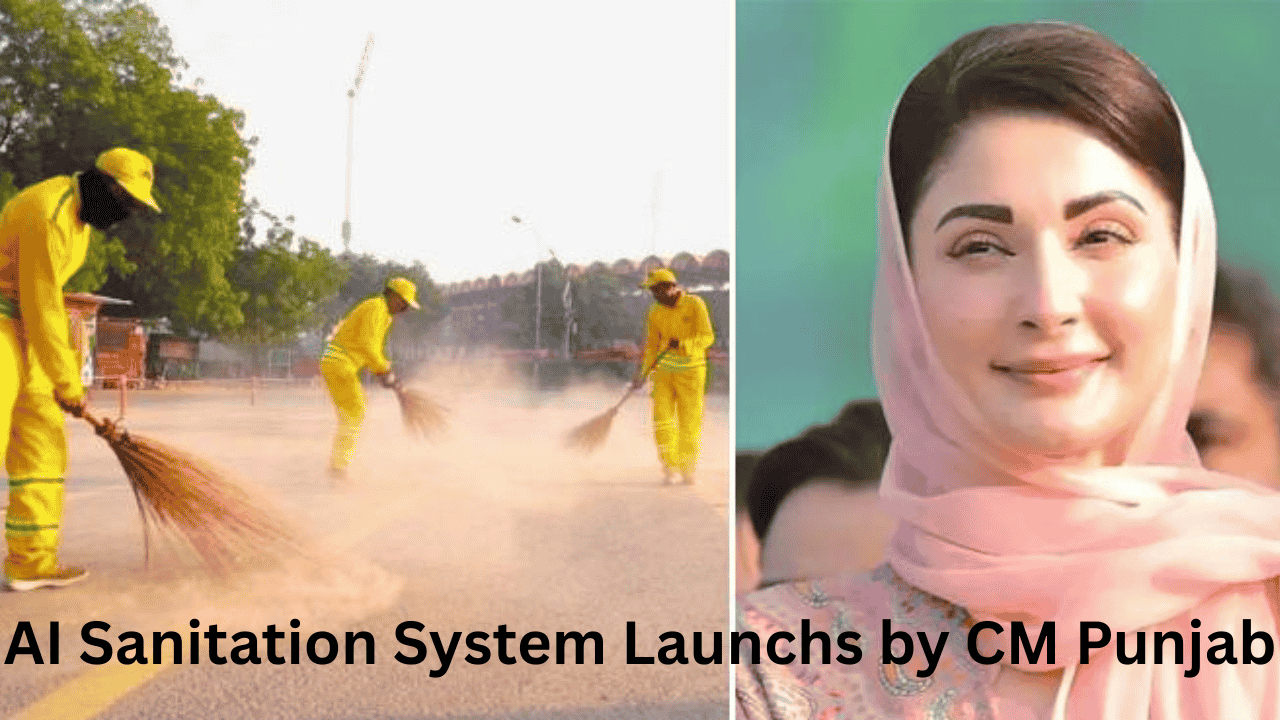
The Government of Punjab has taken a major leap toward digital governance with the launch of an advanced AI-powered sanitation system. Spearheaded by Maryam Nawaz, this initiative is part of the broader Suthra Punjab vision, aiming to transform cleanliness standards across cities and villages.
This modern system introduces intelligent monitoring, real-time tracking, and transparent operations—setting a new benchmark for public service delivery in Pakistan.
What is the AI Sanitation System 2026?
The AI Sanitation System 2026 is a technology-driven platform designed to manage and monitor waste collection activities across Punjab. By integrating artificial intelligence, live tracking, and automated reporting, the system ensures better efficiency and accountability.
Key focus areas include:

- Digital supervision of sanitation activities
- Real-time identification of waste issues
- Centralized monitoring for quick response
This initiative reflects the government’s commitment to smart city development and clean environment goals.
Core Features of the AI-Based System
1. Smart Vehicle Monitoring
More than 40,000 sanitation vehicles are tracked through GPS-enabled systems, ensuring timely waste collection and route optimization.
2. Workforce Digital Management
Over 176,000 sanitation workers are monitored digitally to eliminate ghost employees and improve productivity.

3. AI Camera Detection
Motorbikes equipped with AI cameras detect garbage spots instantly and send alerts to control centers.
4. Central Control Dashboard
A real-time dashboard collects and analyzes data, helping authorities make quick decisions without delays.
Transparency and Merit-Based Governance
The leadership has emphasized strict merit policies in administrative decisions. According to Maryam Nawaz, political interference in hiring and transfers has been completely removed.

This ensures:
- Fair recruitment processes
- Performance-based accountability
- Improved service delivery standards
Zero Tolerance Policy for Corruption
A strong anti-corruption framework has been introduced alongside the system. Authorities are implementing:
- Full digital documentation
- KPI-based performance tracking
- Strict monitoring of workforce attendance
Such measures aim to build public trust and ensure efficient use of government resources.

Impact on Urban and Rural Areas
The system is designed to provide equal sanitation standards across Punjab. Whether in metropolitan cities or remote villages, the goal is uniform cleanliness.
Expected outcomes:
- Cleaner streets and public spaces
- Faster waste collection cycles
- Improved health and hygiene conditions
- Enhanced environmental sustainability
Applying Process for AI Sanitation System Jobs
Individuals interested in joining this modern sanitation initiative can apply through official government recruitment channels.

Application Overview
- Candidates must meet eligibility criteria set by local authorities
- Applications are submitted through designated government portals or offices
- Selection is strictly merit-based with no external influence
- Shortlisted candidates undergo verification and training
This approach ensures fairness while offering employment opportunities in a technologically advanced system.
Why This Initiative Matters for Pakistan’s Future
The AI Sanitation System is not just a project—it represents a shift toward digital governance and sustainable development. By adopting global best practices similar to developed nations, Punjab is setting an example for other regions.
This system contributes to:
- Smart city transformation
- Environmental protection
- Public health improvement
- Efficient governance
Final Thoughts
The launch of the AI Sanitation System 2026 marks a significant milestone in Punjab’s journey toward modernization. With advanced technology, transparent policies, and a strong focus on performance, this initiative has the potential to redefine cleanliness standards across the province.
As implementation expands, its success could position Punjab as a model for smart sanitation systems in the region—delivering long-term benefits for both citizens and the environment.